




Need a reliable way to handle crack movement and slab settlement? GILSON Displacement Monitor supplies a clear, visual scale for tracking both vertical and horizontal shifts so inspectors spot changes quickly. Will it fit into inspection routines that require electronic logging or automated trend charts?
⚡ At a Glance
- • Measurement Range: Vertical: 110 mm (4.3 in); Horizontal: -10–50 mm (-0.39 in–2 in)
- • Targeted at: Site inspectors and concrete contractors needing fast, on-site visual readings of cracks and slab settlement
- • Not the best for: Geotechnical teams requiring continuous electronic logging, as the visual scale forces manual readings and makes automated trend analysis impractical
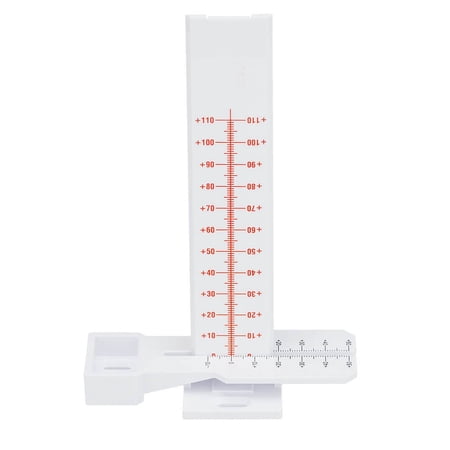
White plastic gauge with red, easy-to-read divisions that show both vertical settlement and lateral movement across a practical inspection range.
Refining crack and slab monitoring with red visual divisions
The vertical scale spans 110 mm (4.3 in), roughly the height of a soda can, and the horizontal range covers -10 to 50 mm (about the width of an adult thumb at the maximum). Clear red divisions create a high-contrast readout that removes guesswork during quick site checks.
Fast visual reads let inspectors decide on follow-up actions without pulling out calipers or cameras, but the manual scale requires routine recording and filing of measurements for long-term trend tracking.
How a simple visual scale changes routine inspections
Dual-axis capability registers both opening/closing of cracks and vertical settling, so a single installation reports two failure modes. By placing the gauge across a crack and noting the alignment against the divisions, teams achieve repeatable checks at daily or weekly intervals.
If a project depends on automatic alerts or continuous data, the visual-only readout will force daily site visits; for straightforward spot checks, the lightweight plastic construction and visible markings speed inspections and reduce setup time.
✨ The Standout Features of the Displacement Monitor
- Dual-axis capability – Tracks both settlement and lateral crack shifts for fuller diagnostics
- Visual crack-opening indicator – Reveals opening or closing without extra instruments
- Compact, portable design – Moves between inspection points without heavy lifting
- Low-maintenance construction – No electronics or batteries to service on site
📋 Technical Details at a Glance
- Material: Plastic
- Color: White
- Vertical range: 110 mm (4.3 in) (about the height of a soda can)
- Horizontal range: -10–50 mm (-0.39 in–2 in) (roughly the width of an adult thumb at maximum)
- Scale markings: Red divisions
❓ Frequently Asked Questions
Q: How does the monitor show whether a crack is opening or closing?
A: The alignment of the red divisions relative to the crack faces indicates opening or closing; mark the baseline position on first inspection and compare subsequent readings. Pro tip: photograph each reading with a dated label to create a reliable visual log without specialized equipment.
Q: Can the unit track horizontal and vertical movement from a single mount?
A: Yes, the design records both axes so one installation captures lateral shifts and settlement at the same location. Pro tip: orient the gauge carefully and note axis labels on your inspection sheet to avoid swapping horizontal and vertical entries between visits.
🏆 Our Verdict
The Displacement Monitor is best for inspectors and contractors who need quick, on-site visual checks of crack behavior and slab settlement. The crisp red divisions sit against the white face in a way that makes alignment obvious from a short distance, giving immediate confidence during walk-throughs. For teams needing automated logs or sub-millimeter, continuous monitoring, manual readings and regular site visits will be required, but the simple build holds up for frequent spot inspections.
